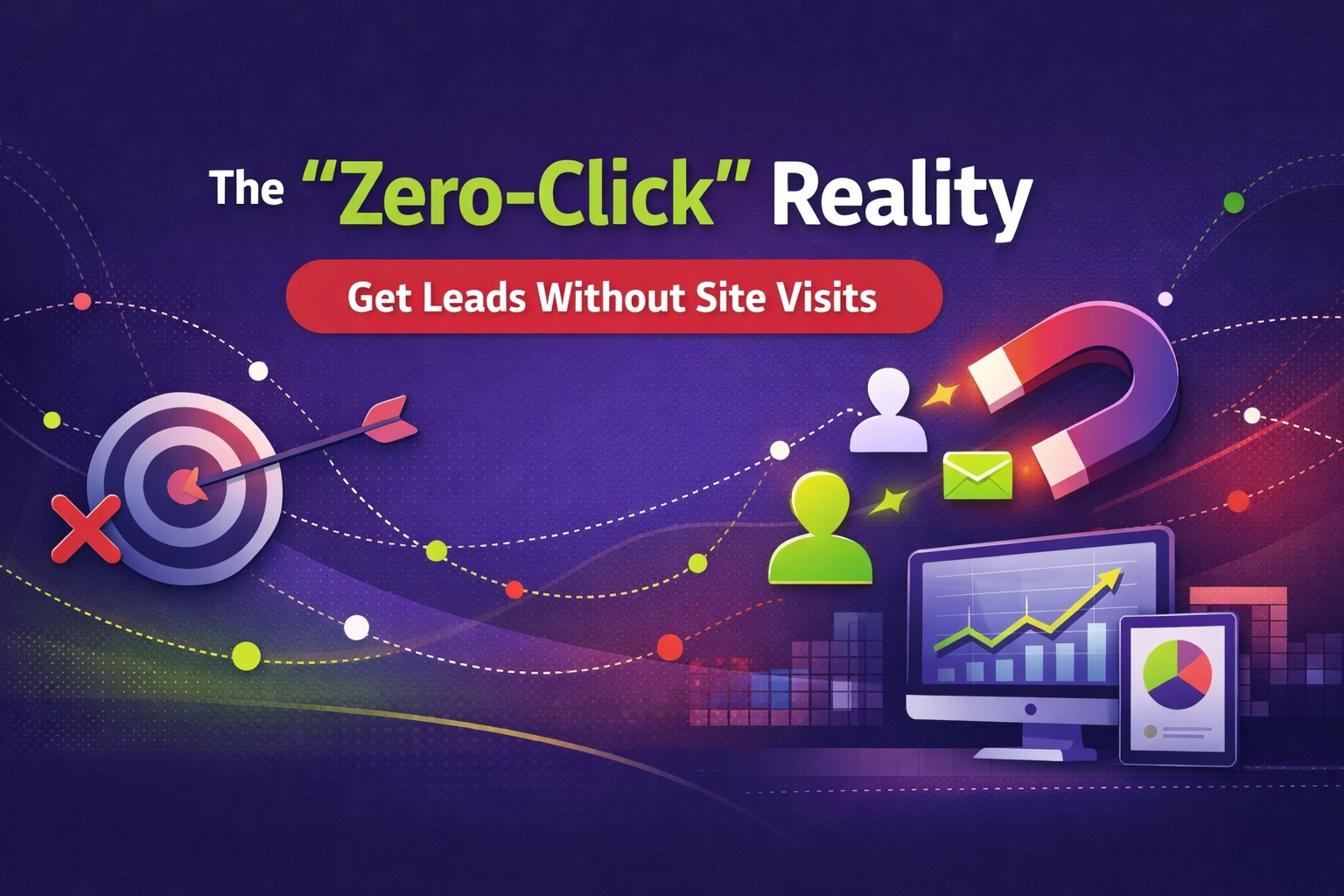
Your website traffic is dropping. You're not imagining it.
Google is answering more questions directly in search results. Social platforms are keeping people on their apps. AI-powered search tools are summarizing content without ever sending anyone to your site. Welcome to the zero-click reality: where people find what they need without clicking through to your website.
Here's the thing most business owners miss: this isn't a problem to fix. It's a shift to adapt to.
The businesses winning right now aren't fighting for more clicks. They're building visibility, authority, and trust in the places where their customers already are. Let's talk about how you can do the same.
What Zero-Click Search Actually Means for Your Business
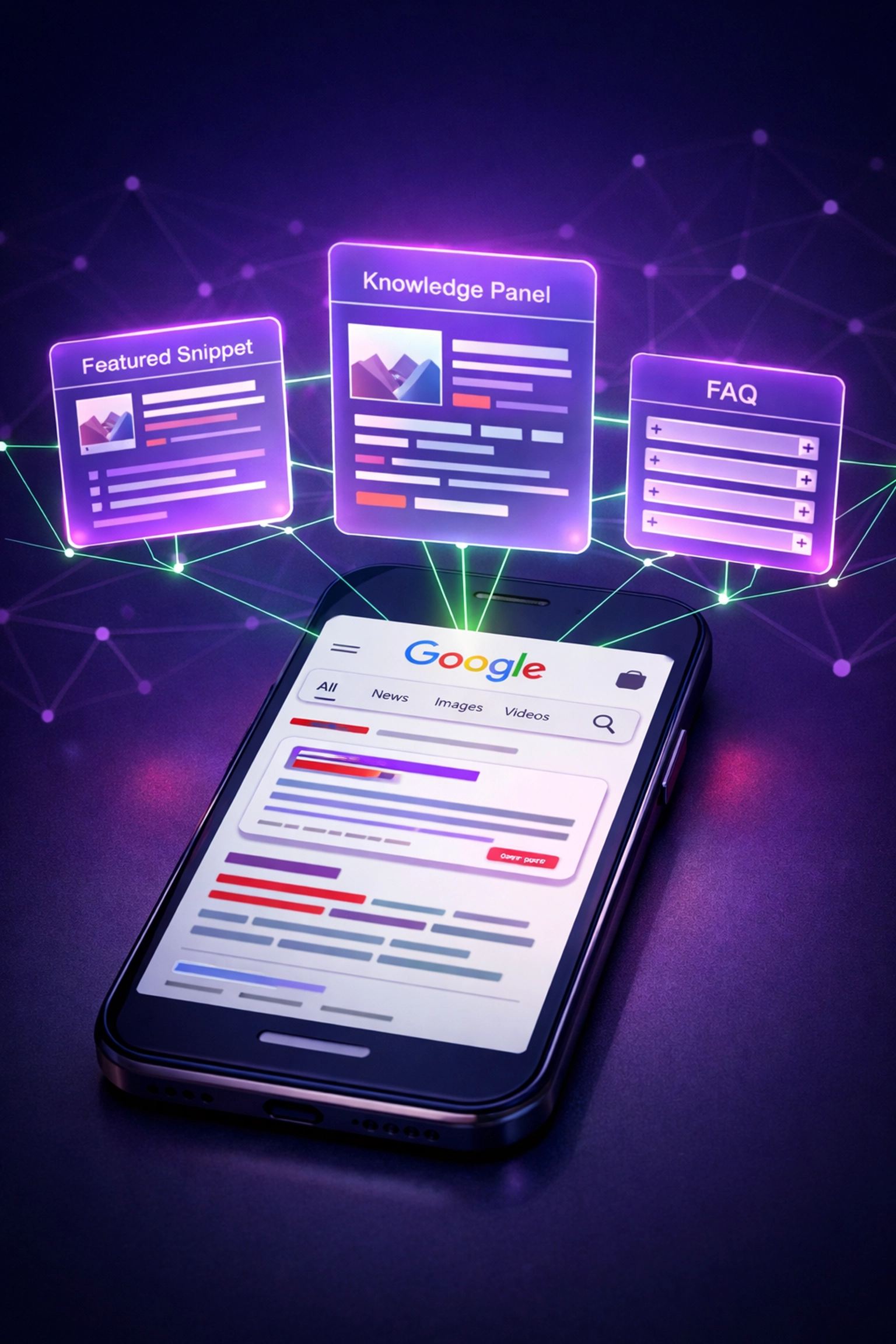
Zero-click search happens when someone types a question into Google and gets their answer without leaving the results page. Think featured snippets, knowledge panels, AI Overviews, and those "People Also Ask" boxes.
For years, the goal was simple: get people to your website, then convert them. But when Google answers "What's the best CRM for small businesses?" or "How much does website maintenance cost?" right in the search results, fewer people need to click through.
The immediate reaction? Panic. "If people aren't visiting my site, how do I get leads?"
But here's what the data actually shows: the traffic that does reach your site is more qualified than ever. Why? Because people have already done their initial research. They've seen your brand mentioned in AI summaries. They've read your snippet in the featured results. By the time they click through, they're further along in their decision-making process.
Your website isn't dying. Its job is just changing.
The New Role of Your Website: Demand Harvester, Not Traffic Generator
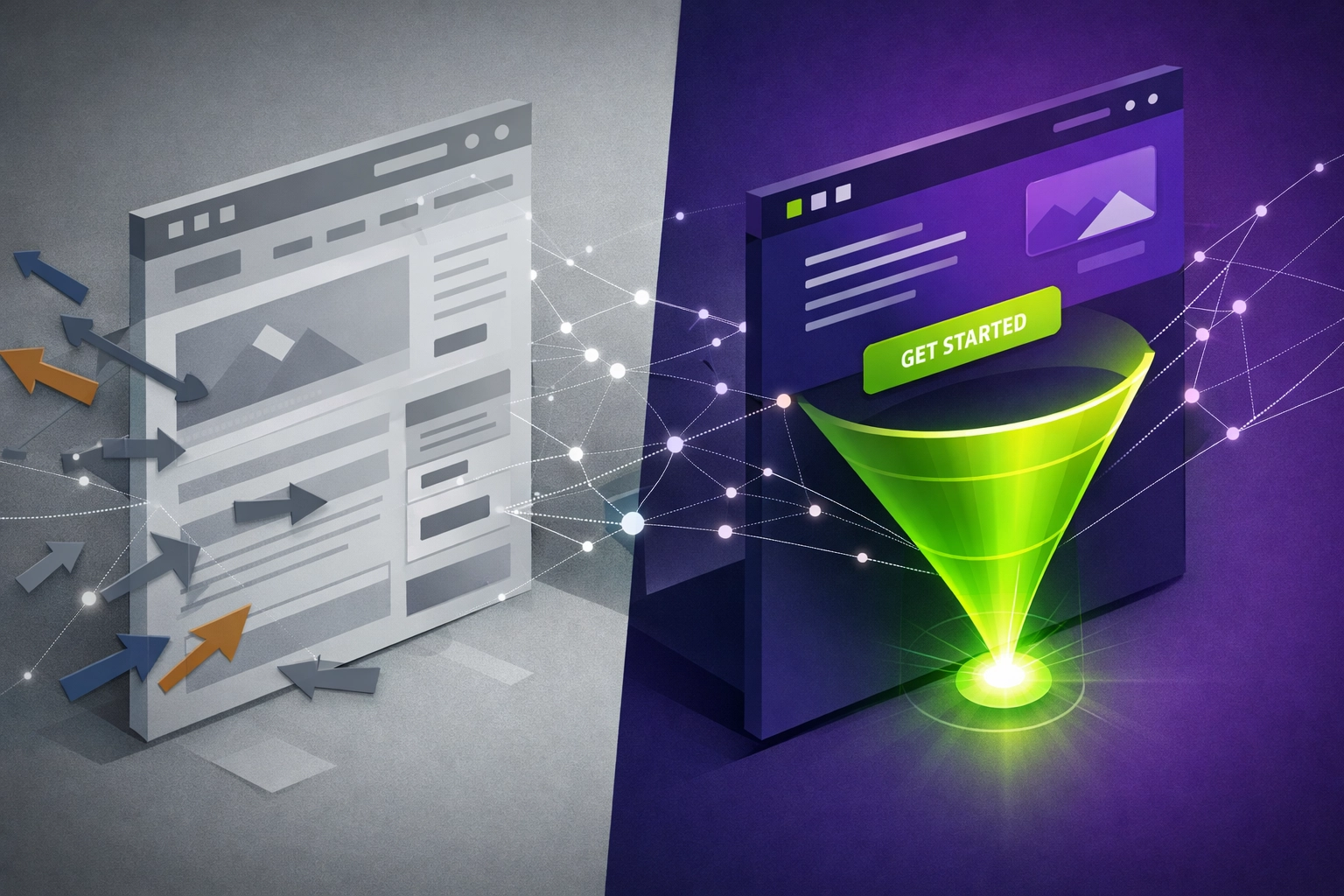
Stop treating your website like a net that catches as many fish as possible. Start treating it like a specialized tool that converts the right fish.
When someone lands on your site in a zero-click world, they're already interested. They've scrolled past your competitors. They want something specific: a consultation, a detailed explanation, or a solution to their problem.
This means your website needs to do two things really well:
- Convert intent-driven visitors quickly. Clear calls to action. Simple contact forms. No guessing what to do next.
- Provide deeper value than what's available in search results. Case studies, specific frameworks, detailed guides: content that's worth the click.
Most business owners are still optimizing for organic traffic volume. The smarter move? Optimize for conversion efficiency.
Strategy #1: Show Up Where People Already Are (Without Needing the Click)
If people aren't clicking to your site, meet them where they're looking.
Featured snippets and AI Overviews are the new homepage. When your content appears in these spots, you're building brand authority with an audience that never leaves Google. They see your name. They see your expertise. And when they're ready to make a decision, they remember you.
Here's what to do:
- Structure your content to answer specific questions clearly (think "What is X?" or "How do I do Y?")
- Use bullet points, numbered lists, and concise paragraphs
- Include data, examples, and practical steps that AI tools can pull from
The goal isn't the click. The goal is visibility and credibility.
Strategy #2: Build Value on Social Platforms (Not Just Links Back to Your Site)
Here's a stat that surprises most business owners: posts without links get roughly 10 times more reach than posts with links on platforms like LinkedIn and Twitter/X.
Why? Because social platforms want to keep people on their apps. The algorithm rewards content that keeps users engaged, not content that sends them away.
This doesn't mean you abandon your website. It means you create standalone value on social.
Share insights, case studies, quick tips, and frameworks directly in your posts. Build awareness and trust. When people are ready to take the next step, they'll find you.
Think of it this way: your social content is advertising your expertise, not advertising your website. The leads come from the relationship you're building, not from the click.
Strategy #3: Optimize for AI-Driven Search
ChatGPT, Google's AI Overviews, Perplexity, and other AI tools are reshaping how people search. Instead of typing "best digital marketing agencies near me," they're asking conversational questions like "Which agency should I hire if I need help with brand positioning and social media?"
If your content isn't structured for these tools, you're invisible.
Here's how to show up:
- Answer specific questions your customers ask (not just the keywords you want to rank for)
- Use clear headings and well-organized information
- Include your brand name and expertise naturally throughout your content
The beauty of AI-driven search? When your brand gets mentioned in an AI summary, you're positioned as an authority: even if the person never clicks through.
Strategy #4: Earn Media Coverage, Not Just Links
Traditional link-building is becoming less effective. What works better? Getting your brand, your insights, and your work featured in publications and media outlets.
When a local business journal covers your recent campaign or a marketing blog mentions your framework for brand positioning, you're building credibility and awareness. People see your name. They trust you more. And when they need help, you're top of mind.
This isn't about asking for backlinks. It's about pitching your story, your data, and your expertise. Media outlets want quality content: give it to them.
Strategy #5: Rethink How You Measure Success
If you're still only tracking website traffic and obsessing over clicks, you're looking at the wrong metrics.
In a zero-click world, success looks like:
- Brand mentions in AI summaries and featured snippets
- Engagement on social posts (comments, shares, saves)
- Media coverage and earned authority
- Qualified leads converting at higher rates (even if overall traffic is lower)
The businesses that thrive in this environment are the ones that start measuring visibility, credibility, and engagement: not just clicks.
Think of it like this: would you rather have 10,000 website visitors who bounce in five seconds, or 500 highly qualified visitors who've already seen your brand mentioned multiple times and are ready to work with you?
The Mindset Shift You Need to Make Right Now
Zero-click search isn't killing your business. But clinging to old traffic-based strategies might.
The shift is simple: stop chasing volume. Start building authority.
Show up where your customers are searching. Create value on the platforms they're using. Earn visibility in AI tools and featured results. Position your website as the place where qualified leads take action: not the place where you hope to attract strangers.
This doesn't mean SEO is dead or your website doesn't matter. It means the game has changed. And the businesses that adapt now will have a massive advantage over the ones still fighting for clicks.
What to Do Next
Start with one shift this week:
- Audit your content to see if it's answering questions clearly enough to appear in featured snippets or AI summaries.
- Create one valuable social post that shares expertise without linking back to your site: and watch the engagement.
- Track visibility metrics like brand mentions, snippet appearances, and social engagement alongside your traditional traffic numbers.
The zero-click reality isn't going away. But it's not something to fear: it's something to leverage. The leads are still out there. You just need to meet them where they are.
Ready to rethink your digital strategy for the way people actually search today? Let's talk.